
Sleep, Stress & Data: What Your Wearable Is Really Telling You
Sleep, Stress & Data: What Your Wearable Is Really Telling You About Cortisol
If your sleep feels off lately—waking up at 2am, feeling wired but tired, dragging through the day—it’s not random. It’s a stress, cortisol, and rhythm issue. Sleep is built all day long. Your body is constantly collecting signals from light, movement, food, and stress. These all influence your circadian rhythm—and at the center of that rhythm is cortisol.
Cortisol is not the enemy. It should rise in the morning to wake you up and gradually fall throughout the day so you can sleep at night. When this rhythm is disrupted, sleep struggles begin.
Common signs of cortisol imbalance include:
– Waking in the middle of the night
– Feeling tired but wired
– Low energy during the day
– Poor or restless sleep
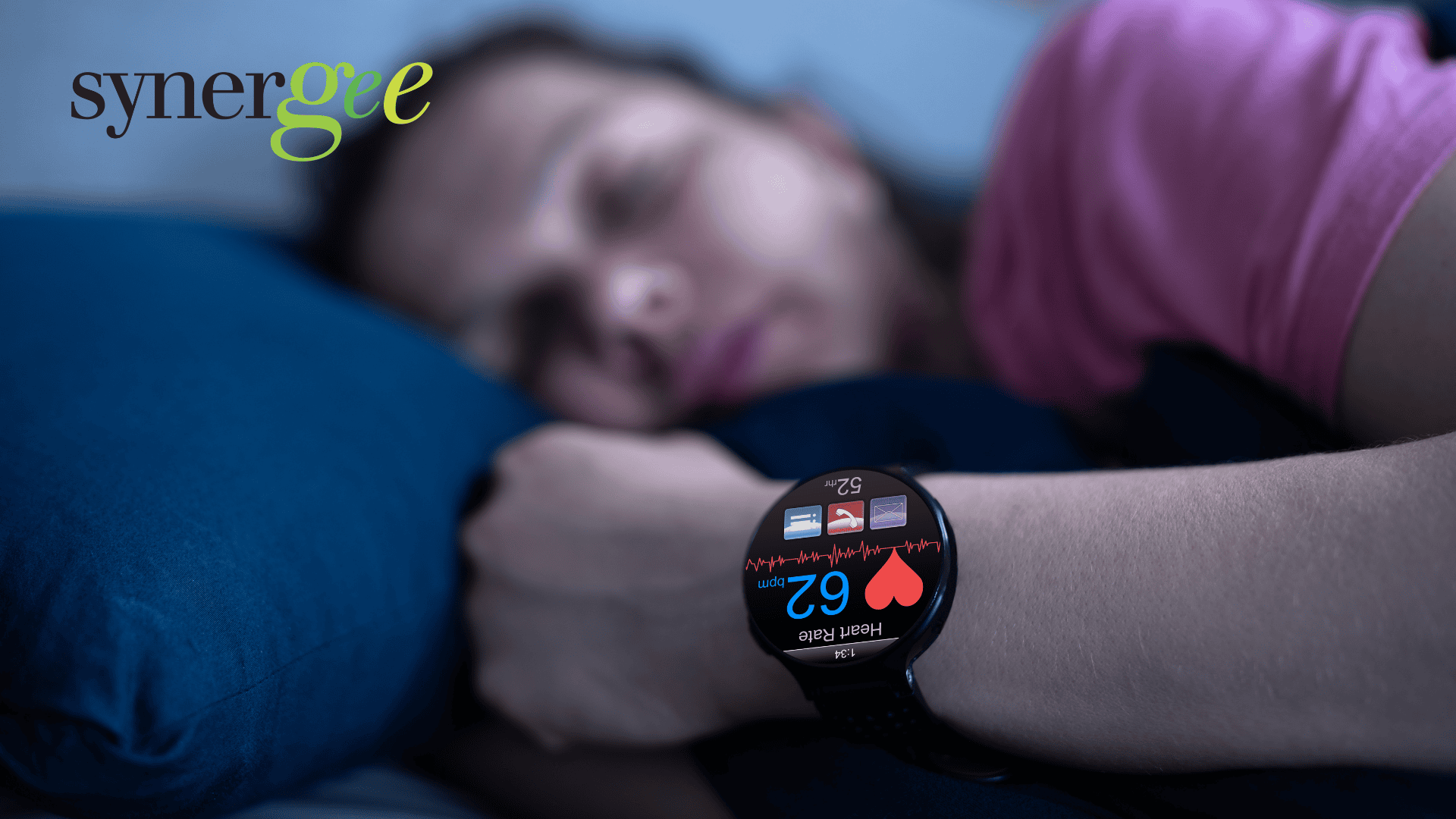
Wearables like Oura, Whoop, Apple Watch, and Fitbit help bring awareness to these patterns by tracking sleep, HRV, heart rate, and recovery. HRV (Heart Rate Variability) is one of the most important markers. Higher HRV means better recovery and resilience. Lower HRV often reflects higher stress and poor recovery.
Instead of chasing perfect scores, use your data to notice patterns:
– What affects your sleep?
– What improves your recovery?
– What drains your energy?
Simple ways to support better sleep and cortisol balance:
1. Get sunlight early in the day
2. Move your body regularly
3. Eat balanced meals with protein
4. Limit screens and heavy meals at night
5. Support your nervous system with breathwork and time outdoors
Your body is always communicating. Your wearable just helps you listen more clearly.The goal is not perfection—it’s awareness, consistency, and working with your body instead of against it.