

Eat the Rainbow: The Healing Power of Food
Eat the Rainbow: Dr. Deanna Minich on Detox, Hormones, and the Healing Power of Food
Food is more than fuel—it’s information for your body, your mind, and even your spirit. In this episode of The Synergee Podcast, Kelly Engelmann and Lori Esarey sat down with Dr. Deanna Minich—functional medicine practitioner, nutrition scientist, international lecturer, and author of six wellness books—to explore how color, creativity, and diversity in food can transform your health.
Meet Dr. Deanna Minich
With over 20 years of experience in nutrition science, research, and functional medicine, Dr. Minich has become one of the leading voices in integrative nutrition. She is the creator of Food & Spirit®, the author of Whole Detox and Quantum Healing, and currently serves as Chief Science Officer at Symphony Natural Health.
Her approach weaves science with soul—helping people see food not just as calories, but as a tool for physical, emotional, mental, and spiritual healing.
Why Color Matters in Your Diet
When Dr. Minich says “eat the rainbow,” she isn’t talking about candy. She’s talking about plants—and the vibrant phytochemicals that give them their colors.
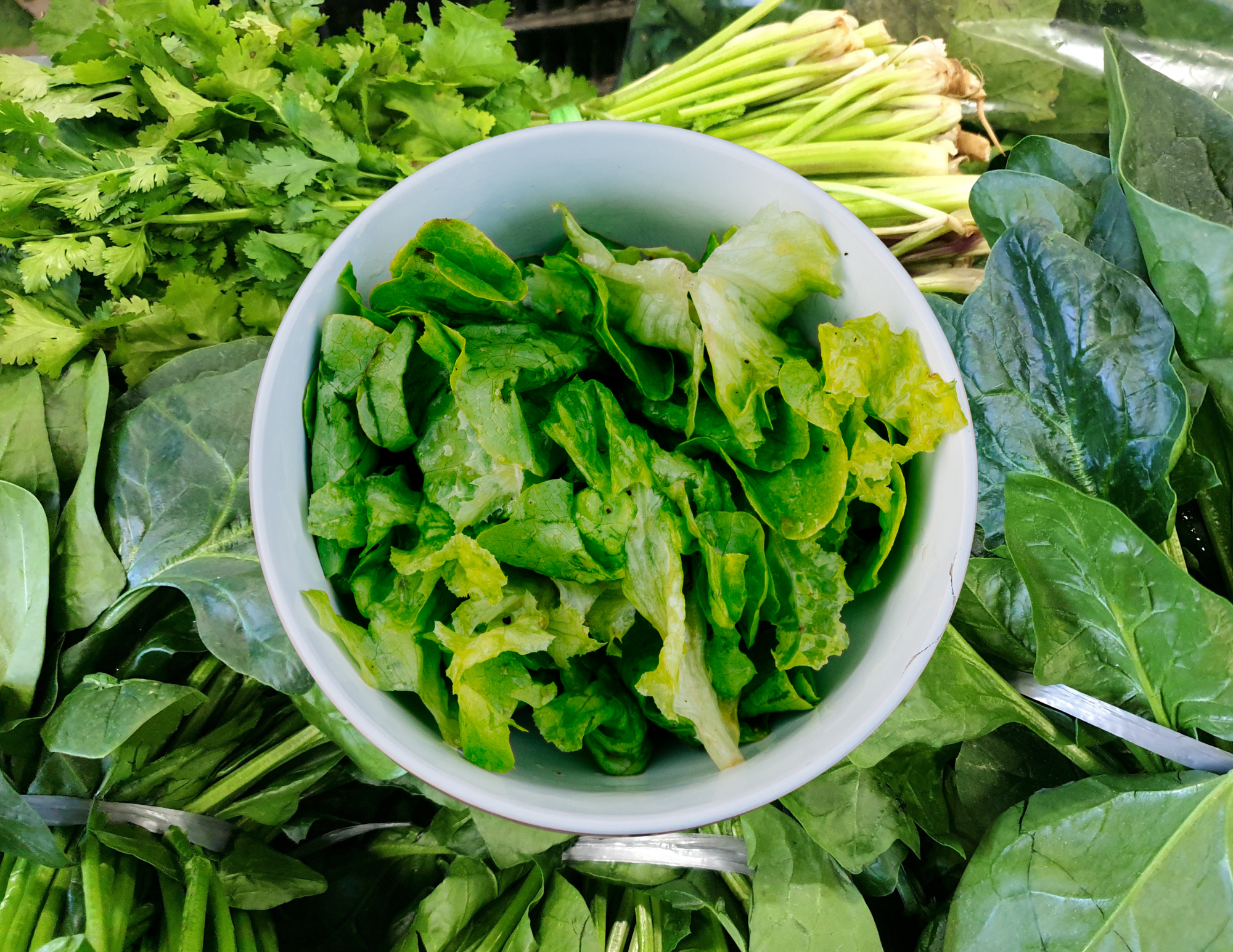
- Greens (spinach, kale, broccoli): chlorophyll, vitamin K1, folate
- Reds (tomatoes, watermelon, beets): lycopene for heart and prostate health
- Purples & Blues (berries, purple cabbage): anthocyanins for brain and vascular support
- Yellows & Oranges (carrots, squash, citrus): carotenoids for eye health and immunity
Each color family carries thousands of unique compounds that reduce inflammation, support detoxification, and strengthen cellular resilience.
“Color, creativity, and diversity—those are my three guiding principles for food and life.” – Dr. Deanna Minich
Breaking Free from the Phytonutrient Rut
Most people fall into one of two traps:
- The Phytonutrient Gap – missing an entire color group in their diet.
- The Phytonutrient Rut – eating the same few colorful foods on repeat.
The solution? Diversity.
Instead of buying a bag of the same apples every week, mix it up—Pink Lady, Fuji, Honeycrisp. Instead of relying on spinach alone, rotate in arugula, Swiss chard, and bok choy.
This broadens your microbial diversity and unlocks more healing compounds for your body.
Spices: The Forgotten Superfoods
Dr. Minich calls spices “the easiest health upgrade.” They:
- Add flavor and variety to meals
- Deliver concentrated antioxidants and phytochemicals
- Reduce the inflammatory potential of cooked foods
Think beyond black pepper and cinnamon. Explore turmeric, curry blends, oregano, thyme, ginger, and global spice traditions for both flavor and healing benefits.
Rethinking Detoxification
Detox isn’t just about liver cleanses or supplements. Dr. Minich reframes detox as “removing anything that stands in the way of optimal health.” That includes:
- Physical toxins – processed foods, plastics, heavy metals
- Emotional toxins – stress, resentment, unprocessed grief
- Mental toxins – limiting beliefs, negative self-talk
- Spiritual toxins – lack of meaning, disconnection from community
“Detox is about the whole of you—body, mind, and spirit—not just what goes in and out of the gut.” – Dr. Deanna Minich
Food, Hormones, and Detox Pathways
Hormones are messengers, but how your body metabolizes them can determine your health outcomes. For example, estrogen can be metabolized into protective or harmful compounds.
Cruciferous vegetables (broccoli, cauliflower, Brussels sprouts, kale, broccoli sprouts) help “shepherd” estrogen through safer detox pathways. Protein also plays a vital role, providing the amino acids that build neurotransmitters and hormones like serotonin and melatonin.
Melatonin: More Than a Sleep Hormone
Dr. Minich shared surprising insights on melatonin:
- It’s not just for sleep—it’s a potent antioxidant, anti-inflammatory, and mitochondrial protector.
- Production declines with age, which may contribute to poor sleep and increased dementia risk.
- The gut makes 400x more melatonin than the pineal gland.
- Supplemental melatonin, when taken in physiological doses, does not shut down your body’s own production.
She recommends plant-based melatonin (Herbatonin®), shown in studies to have greater antioxidant power than synthetic forms.
The Power of Light and Darkness
Just as sunlight is vital for vitamin D and circadian health, darkness is essential for melatonin production and repair.
- Dim lights in the evening
- Limit screen time and blue light exposure
- Use candles or warm-toned bulbs to mimic natural rhythms
“Think: sunlight = vitamin D, darkness = melatonin.”
Practical Takeaways
- Eat the rainbow daily – Aim for all color families.
- Spice it up – Add herbs and spices for flavor and detox power.
- Front-load your day – Prioritize a nourishing breakfast aligned with circadian rhythms.
- Personalize your approach – Your nutrition should adapt with age, stress, and life stage.
- Hydrate wisely – Purified water with trace minerals supports detox and cognition.
- Honor light and dark – Get natural sunlight by day, true darkness at night.
- Detox beyond food – Release emotional and mental toxins alongside physical ones.
Final Word
Dr. Minich reminds us that food is more than macronutrients—it’s information. By embracing color, creativity, and diversity, and by aligning with natural rhythms of light, dark, and community, we can detoxify body and soul while supporting hormonal balance and longevity.