
Reconnecting Your Body: Signals You’ve Been Missing
Reconnecting Your Body: Sleep, Stress, and the Signals You’ve Been Missing
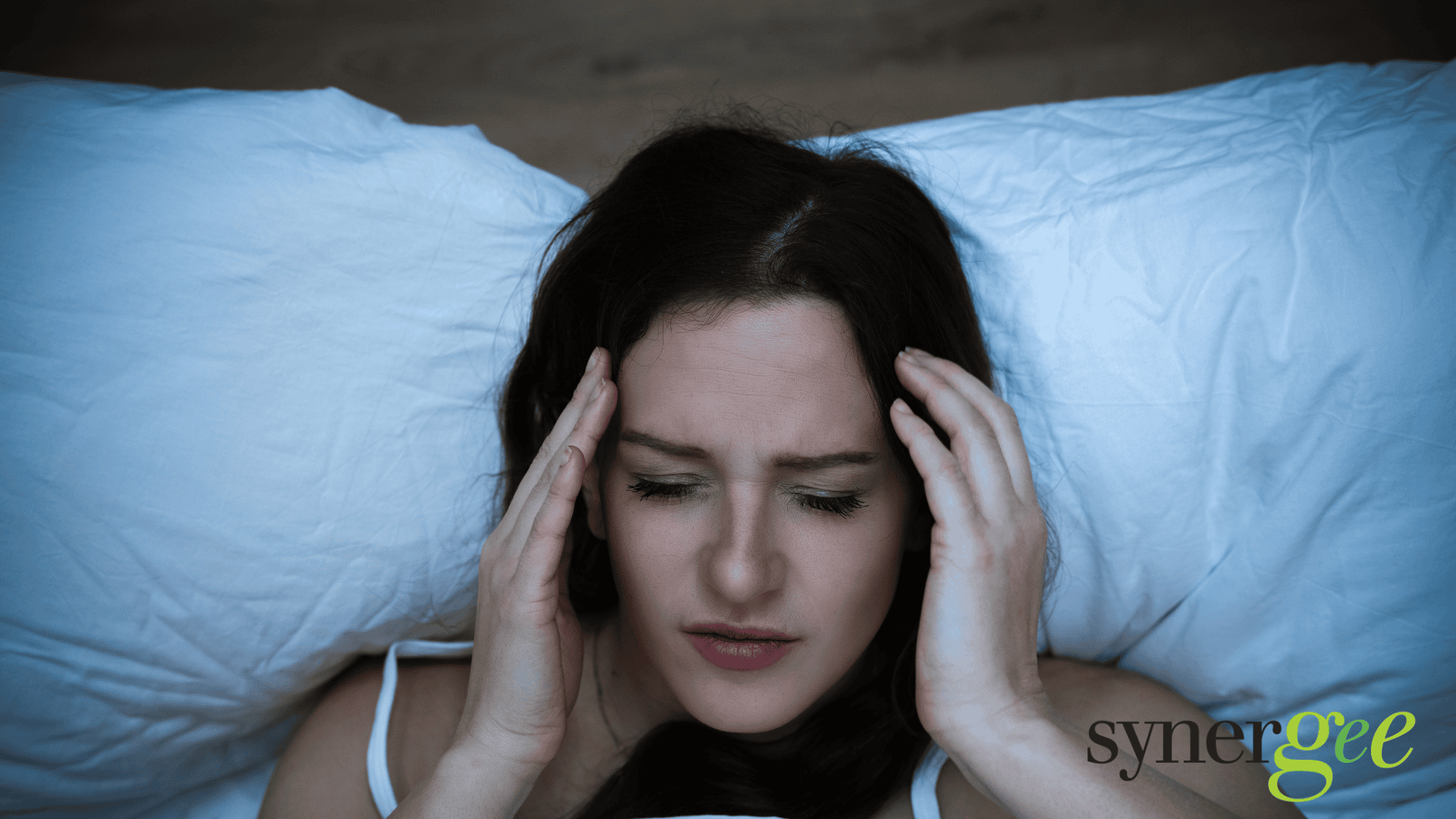
There’s a moment that happens for a lot of people on their health journey. It’s not dramatic, and it doesn’t always come with a diagnosis. It’s quieter than that. It sounds like, “I don’t feel like myself,” or “Why am I so tired all the time?” or even, “I’m doing all the right things… so why do I still feel off?”
What we’ve seen time and time again is that these feelings are rarely random. They’re messages. And more often than not, they point back to two core systems that run the show behind the scenes: your sleep and your stress response.
The body is incredibly intelligent. It is constantly collecting information about your environment and your behaviors—how much light you’re getting, how often you’re moving, what and when you’re eating, and how much stress you’re under. All of these signals feed into your circadian rhythm, which is your body’s internal clock.
At the center of this system is cortisol. Cortisol is often labeled as the “stress hormone,” but in reality, it’s a rhythm hormone. It helps wake you up in the morning, keeps you alert during the day, and should gradually taper off at night so your body can rest. When that rhythm is aligned, sleep tends to feel natural and restorative. When it’s not, sleep becomes something people chase instead of something that happens.
This is where modern tools like wearable devices can be incredibly helpful. Devices like the Oura Ring, Whoop strap, Apple Watch, and Fitbit are giving people access to information we’ve never really had before. Not just how long you slept, but how well you slept, how your body is recovering, and how your nervous system is responding to stress.
One of the most valuable pieces of data these devices provide is heart rate variability, or HRV. HRV is a reflection of how adaptable your nervous system is. When your body is balanced and resilient, HRV tends to be higher. When stress is high and recovery is low, HRV tends to drop. It becomes a window into how your body is actually handling your day-to-day life.

What’s powerful about this is not the number itself, but the pattern it creates. You start to see how your choices influence your body. You may notice that a late meal affects your sleep, or that alcohol lowers your recovery, or that a stressful day carries into the night. On the flip side, you may see how getting sunlight in the morning, going for a walk, or simply slowing down in the evening can shift your sleep in a positive way.
This is where the shift happens. Instead of guessing, you start observing. Instead of forcing your body, you start working with it. Now is a perfect time to lean into this awareness. It’s a season of transition, more daylight, more opportunities to get outside, and a natural invitation to reset your rhythms. This doesn’t require an overhaul. In fact, the most meaningful changes are often the simplest.
Getting outside in the morning light, even for a few minutes, can help anchor your circadian rhythm. Moving your body consistently—even if it’s just walking—helps regulate your stress response. Eating regularly and supporting your body with real, nourishing food provides the building blocks your system needs to function well. And creating a wind-down routine in the evening helps signal to your body that it’s safe to rest.
None of this is about perfection. It’s about awareness and consistency. Your body is always adapting to the signals you give it. The question is whether those signals are working for you or against you.
The goal isn’t to become dependent on data or to chase perfect sleep scores. The goal is to use these tools as a way to reconnect—to better understand your body, to recognize patterns, and to build rhythms that support how you want to feel.
Because at the end of the day, your body isn’t broken. It’s responding. And when you start listening, you give it the opportunity to come back into balance.