

Understanding Chronic Inflammatory Response Syndrome (CIRS)
Understanding CIRS: Chronic Inflammatory Response Syndrome and How to Support Healing
If you’ve ever felt chronically unwell—fatigued, foggy, achy, and unable to “bounce back” no matter how much rest you get—you may have brushed it off as stress, aging, or “just life.” But for some, the root cause lies deeper: an overwhelmed immune system stuck in overdrive. This is the reality of Chronic Inflammatory Response Syndrome (CIRS).
What is CIRS?
CIRS is a complex, multi-system illness triggered when the immune system can’t properly regulate its response to certain environmental exposures. Most often, this happens after exposure to biotoxins—substances produced by mold, water-damaged buildings, or other environmental factors. For people with a genetic predisposition, these toxins are not effectively cleared, and the immune system continues to fire as if under attack.
The result? A chronic state of inflammation that can affect nearly every system in the body.
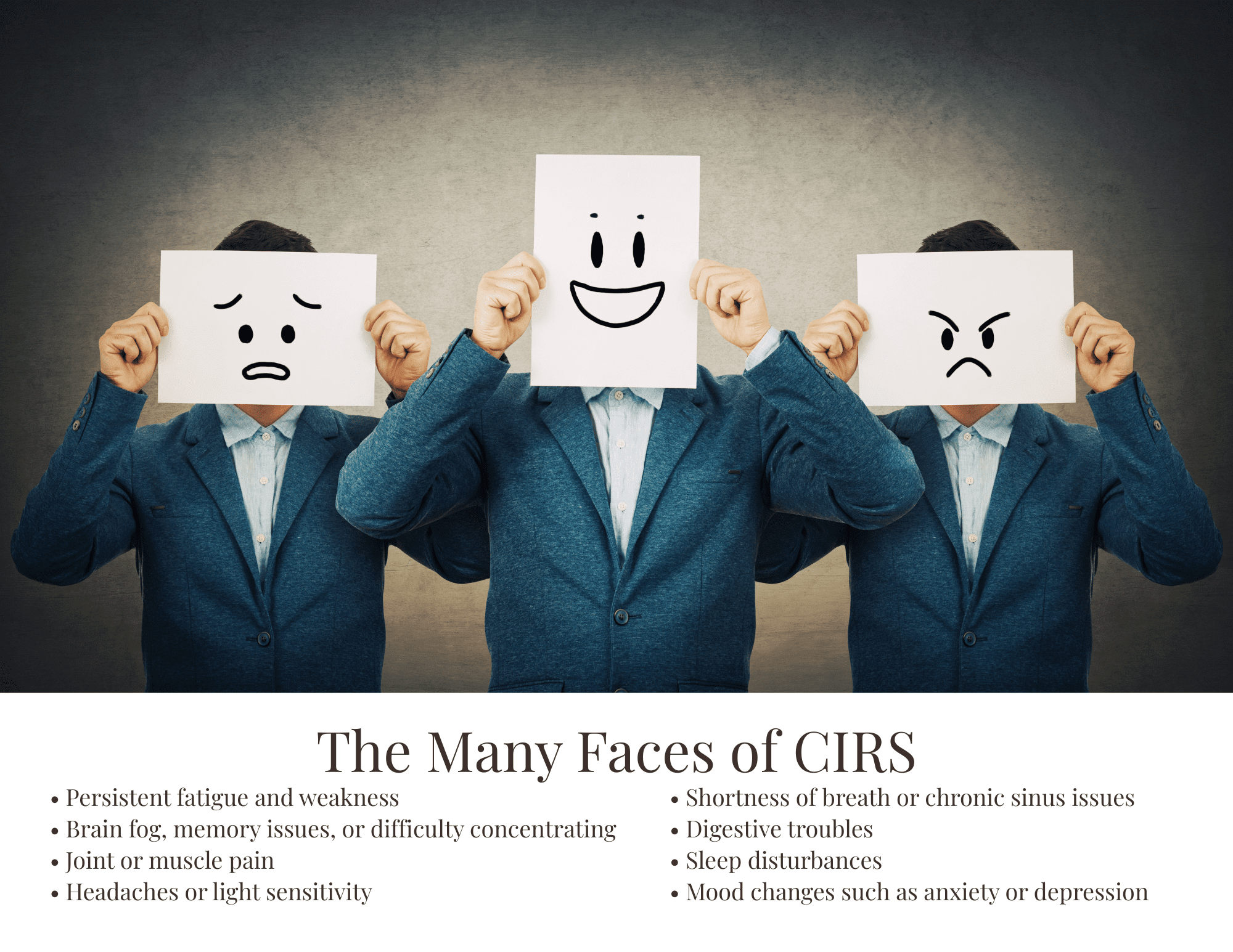
Common Symptoms of CIRS
Because inflammation can spread throughout the body, symptoms vary widely and often mimic other conditions. Some of the most common include:
• Persistent fatigue and weakness
• Brain fog, memory issues, or difficulty concentrating
• Joint or muscle pain
• Headaches or light sensitivity
• Shortness of breath or chronic sinus issues
• Digestive troubles
• Sleep disturbances
• Mood changes such as anxiety or depression
It’s not uncommon for individuals with CIRS to see multiple specialists without clear answers—because symptoms don’t fit neatly into one diagnosis.
The Functional Medicine Approach to CIRS
While conventional medicine often focuses on symptom management, functional medicine seeks to identify and remove the underlying triggers while supporting the body’s natural healing pathways.
1. Remove the Source
Healing begins with identifying and minimizing exposure. This may mean addressing mold in the home, improving air quality, or removing other environmental triggers.
2. Support Detoxification
The liver, gut, and lymphatic system are key players in clearing toxins. A diet centered on:
• Colorful vegetables (rich in antioxidants and phytonutrients)
• Lean proteins (to support tissue repair and detox enzymes)
• Healthy fats (like avocados, olive oil, and wild-caught fish for inflammation balance)
creates a strong foundation for recovery.
Adding gentle detox practices—hydration, sweating through movement, deep breathing, and stress management—further supports clearance.
3. Calm Inflammation
Chronic inflammation requires more than just removing the trigger. Anti-inflammatory foods such as leafy greens, berries, turmeric, and omega-3 rich fish can help quiet the immune storm.
4. Restore Balance
CIRS often disrupts hormones, sleep, and energy systems. Functional medicine looks at the whole picture—supporting adrenal health, balancing hormones, and helping the nervous system shift out of “survival mode.”
5. Mindset Matters
Chronic illness takes a toll not just physically, but emotionally. Practices like mindfulness, gratitude, and gentle movement can help rewire the body’s stress response and foster resilience on the healing journey.
Moving Forward
CIRS is real, complex, and often misunderstood. But with the right support, recovery is possible. By combining environmental awareness with a food-first approach and whole-body healing practices, the body can begin to shift out of chronic inflammation and into restoration.
If you suspect CIRS may be part of your health story, consider working with a functional medicine practitioner who can guide you through testing, personalized nutrition, and a structured recovery plan