
Unlocking Hormone Health
Unlocking Hormone Health: A Deep Dive with Mark Newman of DUTCH Test
Hormones are powerful messengers that shape energy, mood, sleep, metabolism, fertility, and long-term health. But when they’re imbalanced—or when they’re not properly monitored—health can quickly unravel.
On this episode of The Synergee Podcast, Kelly Engelmann and Lori Esarey sit down with Mark Newman, analytical chemist and founder of the DUTCH Test, to dig into hormone testing, estrogen metabolism, cortisol, and why comprehensive data is essential for safe and effective care.
Why Mark Newman Built DUTCH
With a background in analytical chemistry, Mark spent decades studying hormone testing through blood, saliva, and urine. Each had strengths—but also limitations.
“The more windows I have into the house, the more confident I am of what’s going on. Our testing is meant to give that broad view so providers can take action safely.” – Mark Newman
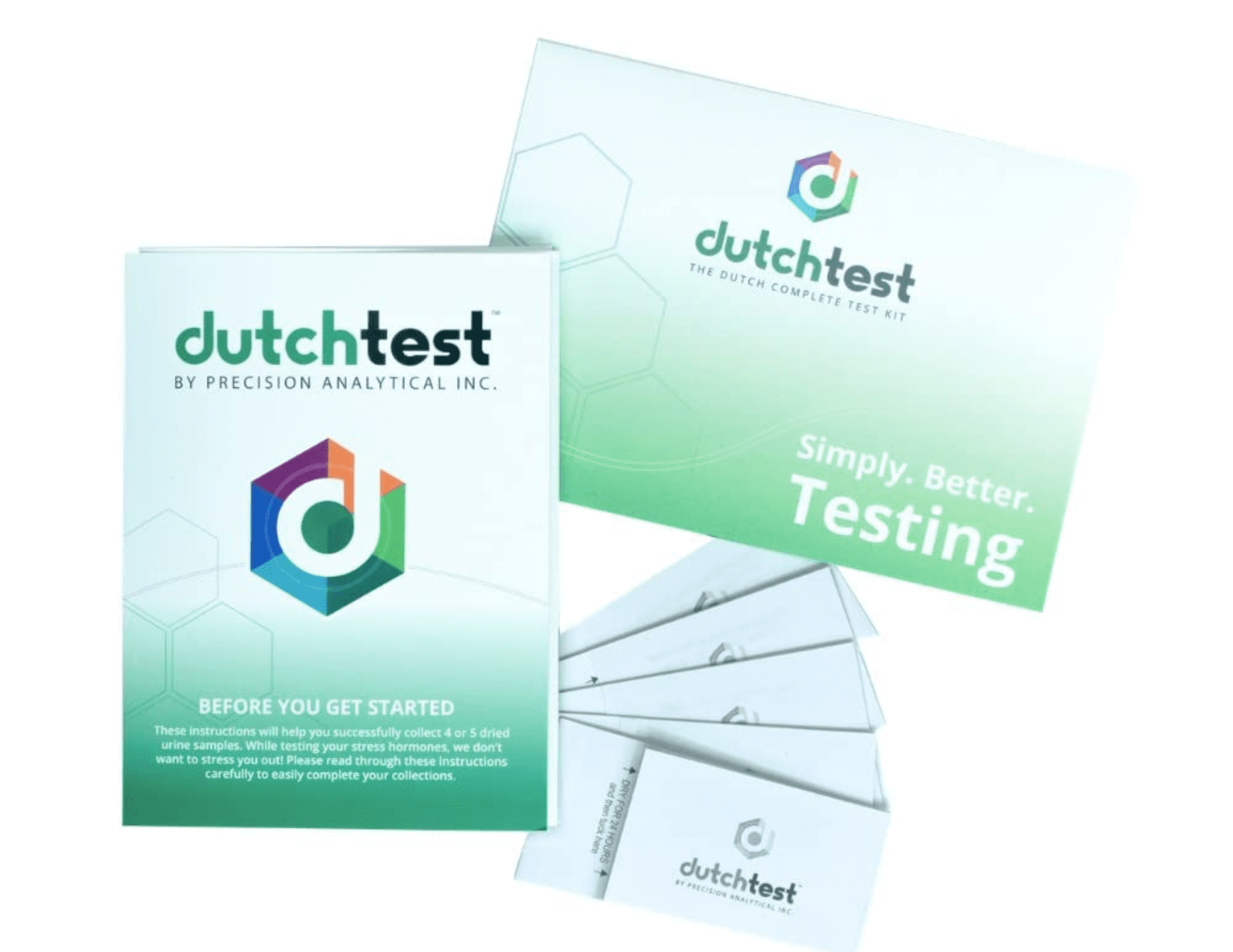
That pursuit of clarity led to the creation of the DUTCH Test (Dried Urine Test for Comprehensive Hormones). Unlike standard testing, DUTCH looks at not just hormone levels, but how those hormones are metabolized and cleared from the body.
Why “It Depends” Matters in Hormone Testing
Hormone health isn’t one-size-fits-all. Serum (blood) testing may be useful for things like thyroid, testosterone, or CBC panels. But for stress hormones, estrogen metabolism, and adrenal function, blood alone doesn’t tell the whole story.
DUTCH combines urine and saliva to show:
- Cortisol patterns across the day and during the critical cortisol awakening response (CAR).
- Estrogen metabolism pathways (protective, risky, or overly estrogenic).
- Progesterone and testosterone metabolism.
- Additional markers for gut health, neuroinflammation, and nutrient deficiencies.
This comprehensive view allows providers to make targeted, safe, and personalized recommendations.
Estrogen Metabolism: Why Pathways Matter
Taking estrogen therapy isn’t just about dose—it’s about what your body does with that estrogen.
There are three main pathways:
- 2-OH Pathway (“The Good”) – Protective, lowers breast cancer risk.
- 4-OH Pathway (“The Bad”) – Can damage DNA and increase cancer risk.
- 16-OH Pathway (“The Ugly”) – Strongly estrogenic; may help bone health but can worsen estrogen dominance.
Phase 2 detox (methylation) and phase 3 detox (gut elimination) also determine whether estrogen is safely cleared—or recycled back into circulation. Without healthy detox and gut function, risk for hormone-driven conditions increases.
Cortisol and Resilience
Stress hormones tell their own story. The DUTCH Test evaluates both free cortisol (active hormone) and metabolized cortisol (total production).
Why does this matter?
- Someone may appear “low cortisol” in bloodwork, but in reality their body is burning through cortisol too quickly—often due to obesity, thyroid medication, or chronic stress.
- The cortisol awakening response (CAR) is a window into resilience. A flat or exaggerated CAR can predict fatigue, depression, or poor recovery.
- Flattened cortisol curves are even linked to worse outcomes in breast cancer patients.
By looking at both the pattern and the metabolites, providers can better identify whether fatigue is caused by adrenal exhaustion, stress overload, or metabolic imbalance.
Beyond Hormones: Added Markers That Matter
The DUTCH Test now includes additional biomarkers to connect the dots:
- Indican – Indicates gut dysfunction that may cause hormone recirculation.
- Quinolinic Acid – Marker of neuroinflammation.
- Biotin Deficiency Marker – Helpful for women struggling with hair loss.
These insights expand the story beyond hormones alone, showing how gut, brain, and nutrient status impact hormone health.
Why Testing + the Right Provider = True Healing
Testing alone isn’t enough. Functional medicine shines by combining detailed history, lifestyle evaluation, and advanced testing to uncover the why behind symptoms.
“The DUTCH Test allows us to stop guessing. It shows whether fatigue is due to low cortisol, poor estrogen metabolism, or even nutrient deficiencies. With that information, we can personalize care.” – Kelly Engelmann
Key Takeaways from Mark Newman
- Comprehensive matters. Hormone symptoms overlap—testing multiple angles reveals the true cause.
- Estrogen metabolism is critical. How estrogen is processed determines risk, not just dose.
- Cortisol tells a resilience story. Patterns and metabolites give deep insight into stress adaptation.
- Lifestyle + testing = safety. Nutrition, detox, and gut health impact hormone therapy outcomes.
Education empowers. Providers and patients both benefit from knowing how to interpret the data.
Explore more functional medicine insights at Synergee4Life.com
Learn more about DUTCH Testing at DutchTest.com